
Tag Archives: basement remodel
Guide to Creating a Basement Bedroom

Can a basement be used as a bedroom? With multigenerational living on the rise and growing demand for flexible rental options, homeowners are reimagining lower levels as functional, private living spaces.
In this guide, we’ll walk you through the essentials of creating a livable basement bedroom, from egress requirements to design tips.
Part 1: Legal Requirements and Safety Standards for a Basement with a Bedroom
Before you pick paint colors or shop for furniture, start with the rules that keep a basement bedroom safe.
Requirements for an Egress Window in a Basement Bedroom
Does a basement bedroom need an egress window? In nearly all jurisdictions, yes; without it, the room won’t be considered a legal bedroom.
An egress window for basement bedroom spaces is the primary emergency exit and a key part of making the room safe.
What Size Should a Basement Bedroom Window Be?
Under the International Residential Code (IRC), the window must provide:
- A minimum clear opening of 5.7 square feet
- At least 24 inches of clear opening height and 20 inches of clear opening width
- A sill no higher than 44 inches above the finished floor
If a window well is needed, it generally must be at least 36 inches by 36 inches (9 square feet total), and any well deeper than 44 inches requires a permanently affixed egress ladder or steps. These dimensions aren’t arbitrary; they’re calibrated so a person can exit quickly and emergency personnel can enter with gear.
Local Codes and Permits
In the Mid-Atlantic, states and municipalities adopt the IRC on different cycles, often adding local amendments. You may encounter region-specific rules like enhanced well drainage, energy code tweaks, or stricter insulation details. Always confirm requirements with your local building department!
You’ll also typically need a building permit to create or enlarge a basement bedroom opening, cut a foundation wall, or modify structure, electrical, or HVAC systems. In this case, separate electrical and mechanical permits are common.
Expect a few inspections, as well. After submitting your dimensions, inspectors will review your space, typically including:
- Foundation opening
- Well installation and drainage
- Framing
- Electrical
- Insulation
After an initial inspection, they will need to verify that you have a clear opening and adequate sill height, along with proper operation of alarms.
Remember: skipping permits or failing inspections can lead to stop-work orders, fines, and, most critically, increased life-safety risk.
Does Adding a Bedroom in the Basement Add Value?
Creating a legal, permitted bedroom is essential for realizing any potential financial return. An unpermitted basement renovation (or one that lacks proper egress and safety features) is often considered unusable space and may not count toward square footage or value during an appraisal.
Only by meeting all local safety and egress codes can you maximize the return on your investment and preserve resale eligibility.
Other Basement Bedroom Requirements to Cover
Ceiling Height
Most jurisdictions require at least 7 feet of finished ceiling height over the majority of the room, with limited allowances for beams, ducts, or girders to drop to about 6 feet 4 inches in isolated areas.
Plan the layout so key zones maintain full height, reserving lower areas for closets or built-ins. If you’re close to the limit, use low-profile lighting and slim ductwork to preserve clearance.
Another tip? Verify the height after subfloor and ceiling finishes are selected, as these reduce final measurements.
Ventilation and Indoor Air Quality
A basement bedroom needs reliable fresh air. Where allowed, natural ventilation typically requires an operable window area equal to at least 4% of the room’s floor area. If that’s not feasible, use mechanical ventilation that meets code airflow, ideally via a Heat Recovery Ventilator (HRV), an Energy Recovery Ventilator (ERV), or a dedicated supply and return tied to HVAC.
Keep relative humidity around 30–50% with a properly sized dehumidifier and avoid depressurizing the space through oversized exhaust fans (especially in homes with fuel-burning appliances).
Electrical Safety and Lighting
Design the electrical layout to meet outlet spacing rules (commonly every 12 feet of wall run, within 6 feet of doorways, and on walls 2 feet or wider) and include a wall-switched overhead light at the entry.
Bear in mind that bedroom circuits generally require an Arc Fault Circuit Interrupter (AFCI) protection, while receptacles near water sources or in unfinished areas need a Ground Fault Circuit Interrupter (GFCI). Combination AFCI/GFCI devices can simplify compliance.
Beyond those details, you’ll want to choose layered lighting; think ambient ceiling fixtures, task lamps, and accents. For lower ceilings, opt for low-profile LEDs.
Moisture and Waterproofing
Adding an egress window well? It’s a good idea to distribute clean gravel at the base and install a window well cover to shed rain.
Inside, use vapor control appropriate for below-grade walls, such as rigid foam against concrete. Follow this with a framed wall containing moisture-resistant drywall.
Heating and Cooling
A permanent heat source is required to maintain code temperatures, commonly 68°F measured 3 feet above the floor (portable space heaters do not qualify). Extend existing ductwork only if the system has capacity and proper static pressure, or consider a ductless mini-split for independent control.
If you’re looking to improve comfort, we recommend using continuous insulation on exterior walls.
Smoke and Carbon Monoxide Detectors
Install a smoke alarm inside the basement bedroom and another in the adjacent area. You should have carbon monoxide alarms active on each level, particularly if your home has fuel-burning appliances or an attached garage.
Hardwire all alarms with battery backup and interconnect them so that a trigger in one unit alerts the entire home; where wiring is difficult, listed wireless interconnect alarms are often permitted.
Once setup is complete, test your alarms monthly and be mindful of keeping the egress path clear for a quick escape.
Part 2: Planning Your Basement Bedroom Egress Window Installation

Next, we move on to egress system installation, which brings light, safety, and real livability to a basement bedroom.
Choosing the Right Location
You’ll need clear exterior access for excavation, plus a location where a window well can drain properly. On the foundation, aim for a wall section with sound concrete or block, adequate bearing, and minimal structural complication.
Inside the room, place the window to maximize natural light and views while keeping furniture or closet layouts practical. South/east exposures brighten spaces; positioning near a corner can bounce light deeper into the room with light-colored finishes and mirrors.
Selecting Your Egress System
Choose a window style that meets code clear-opening requirements and works well below grade. Casement windows, for instance, often yield the largest usable opening in a compact size while being easy to operate.
For the well, materials range from durable composites to modular stone-look systems. Always size the well to code at a minimum, but consider upsizing to improve light, maintenance access, and comfort. Should the well depth exceed 44 inches, add a permanently affixed ladder or step system for safe exit.
Professional vs. DIY Installation
Cutting a foundation wall and tying in drainage make egress projects more complex than typical window swaps. That complexity only increases with thicker or reinforced concrete, stone foundations, and the need for engineering.
This is where a licensed egress system contractor comes in handy; an experienced team will coordinate excavation in addition to completing a safe, code-compliant installation. Simply put, professionals handle all the stress-inducing details for you, including permit work.
Egress System Cost and Timeline
As a general rule of thumb, you’ll want to budget for the full scope, not just the window. Typical professional installations range from several thousand dollars to the low five figures, depending on excavation, drainage, materials, and interior finishes. Though DIY can reduce labor costs, it may require tool rentals (i.e., saw, jackhammer), and mistakes are costly.
You should generally expect a timeline of 2 days for professional work once the right permits are in hand:
- Day 1: Excavation, Cutting and setting the window, well work, drainage, and backfill
- Day 2: Insulation, interior trim, and inspection
Note: Lead times for permits, utility mark-outs, and custom windows can add 2–6 weeks upfront.
Part 3: Finishing Your Basement Bedroom

With the legal (and literal) groundwork set, it’s time to turn your basement bedroom into an inviting retreat. Finishing below grade is different from finishing upstairs, as moisture, temperature, and light all behave differently.
Flooring Options
Below-grade floors need materials that can handle occasional moisture and temperature swings. Luxury vinyl plank/tiles, porcelain or ceramic tile, and certain engineered wood products rated for basements are reliable picks.
Avoid traditional solid hardwood (which can cup and warp) and skip wall-to-wall carpet directly on concrete, since it traps moisture and harbors odors. For homeowners seeking that extra touch of softness, place area rugs over any hard surfaces.
Walls and Ceiling
Frame your basement walls slightly off the foundation to allow for insulation and a continuous air barrier. Finish with moisture-resistant drywall in bedroom areas, utilizing cement board in any adjacent wet zones.
Regarding the ceiling, you’ll need to decide between a clean, finished drywall look or an exposed/accessible ceiling. In this instance, drywall offers better acoustics and a polished feel.
Lighting Layout
Make the most of your egress window by keeping treatments minimal. Use lighter, warm wall colors with strategic mirrors to amplify brightness.
Aim for warm-white bulbs (around 2700–3000K) to create a cozy, bedroom-appropriate ambiance, and keep the color rendering index (CRI) high, ideally at 90+, so finishes look their best.
If you’d prefer more flexibility, you might choose to incorporate dimmer controls or LED fixtures to deliver even illumination.
Part 4: How to Turn a Basement into a Bedroom That Feels like Home
Basements don’t have to feel like basements! This is how to elevate yours into a space that feels intentional and truly lived-in.
Working with the Egress Well
Treat the egress well as a feature, not a flaw. It brings safety and daylight, two essentials in a basement bedroom. Frame it as a design moment: keep the area uncluttered so light pours in, choose finishes that complement your room’s palette, and think of the view into the well as a mini landscape you can curate.
Decorating Around the Egress Window
Use light, airy curtains or shades that filter without blocking daylight. For unique window shapes or deeper wells, consider custom rods, inside-mount roller shades, or top-down/bottom-up options. Whatever you choose, maintain emergency access; that means no heavy drapes, nailed-in shutters, or furniture blocking the path.
Color and Design
Lean into light, warm colors to counteract the natural dimness below grade, particularly soft whites, creams, and warm grays to help bounce light and feel cozy. For a little extra flair, an accent wall creates personality without overwhelming the space.
Going for a more natural vibe? Bring in elements like wood, woven textures, or plants to add interest.
Comfort Elements
Invest in a quality mattress and breathable bedding to make the room feel like a true retreat. Finish your basement bedroom with personal touches; you could include everything from artwork and photos to throws and textiles that reflect your style.
Storage Solutions
Maximize vertical space with wall-mounted shelves or cabinets, especially in areas with lower soffits. To keep off-season items out of sight, there is the option of under-bed drawers and lift-up platforms.
You can also make the most of your closet space by bringing in double-hang rods, slim organizers, or door-mounted racks.
Basement Bedroom Maintenance Checklist

✅Clean the Window Well: After big storms (or per season), scoop out leaves and debris from the window well and wipe the cover so it lets in more light.
✅ Test the Window: Open and close the egress window fully once a month. If it sticks, clean the tracks and add a little silicone spray to the hardware.
✅ Fresh Air Flush: On dry days, crack the egress window for 10–15 minutes to air out the room. Pair with the bathroom fan if nearby to pull stale air out.
✅ Filter Swap: Replace your HVAC filter every 1–3 months. Vacuum supply and return grilles in the bedroom to keep airflow strong.
✅ Drainage System Checks: After rains, confirm downspouts discharge away from the foundation and the well isn’t holding water.
✅Moisture Monitoring: Keep a hygrometer (a device that measures air moisture) in the room and aim for a relative humidity (RH) of 30–50%. Check baseboards and all exterior walls for damp spots or musty odors.
Bolster Your Basement with Egress Solutions
Our installers take the guesswork out of egress. From foundation cut to final trim, we deliver code-ready windows, wells, and covers that perform.
Ready to get started on your basement’s transformation? Contact Egress Solutions today for a free quote!
Best Way to Use Tax Refund: Why Egress Windows Are the Perfect Investment
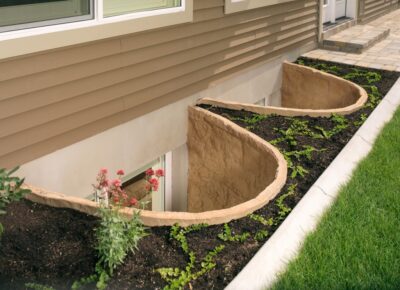
As tax season wraps up, many of us are eagerly anticipating the arrival of our tax refunds. However, the importance of using this refund wisely cannot be overstated. Above all else, this is an opportunity to invest in something that can offer financial and personal long-term benefits in one fell swoop – such as home improvement tax credits.
Egress windows are not just another home renovation; they are a multifaceted investment that can transform your living space. These windows are designed to provide a safe exit in emergencies — such as fires or natural disasters — making them a critical safety feature for any below-ground living space.
In this post, we’ll explain why investing in an egress window is the best way to use your tax refund this season. Not only will it enhance the safety of your home, but it will also contribute to its aesthetic appeal and functionality, ultimately improving your quality of life.
The Safety Investment of an Egress Window
In the event of an emergency, every second counts; emergency escape routes are a fundamental aspect of residential safety codes for this very reason. An egress window is designed to provide a quick and accessible way to exit the home if the main routes are blocked or unsafe.
How Egress Windows Facilitate Quick and Safe Exits
Egress windows are a key component of any effective emergency escape plan. These windows are specifically designed to be large enough for an adult to pass through, and they are installed at a height that is accessible from the inside. They come equipped with easy-to-operate opening mechanisms that do not require keys or tools, ensuring that even children or guests unfamiliar with the home may use them in an emergency.
Additionally, an egress window is required to have a clear path to the outside, often including a built-in ladder or steps for basement installations. This allows for a quick and safe exit — even in the most stressful and time-sensitive situations.
Egress Windows = Better Home Safety
Fire department reports often highlight the role of egress systems in successful emergency evacuations. For instance, the National Fire Protection Association (NFPA) has documented instances where the presence of egress windows in bedrooms and basements has allowed occupants to escape when traditional exits were blocked by smoke or flames.
The Consumer Product Safety Commission (CPSC) has also reported that egress windows are a critical secondary means of escape in residential fires. The addition of an egress window, which complies with safety codes, further enhances your home’s safety.
Insurance companies recognize the value of egress windows, as well. Some organizations will offer residents premium discounts for homes equipped with these safety features, acknowledging their role in reducing the risk of injury or death.
Boosting Home Value with Egress Windows
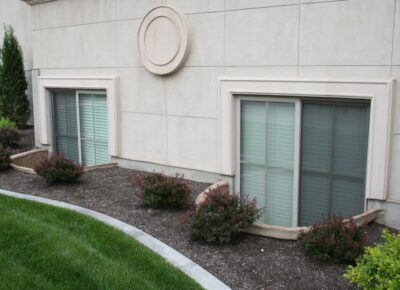
So, how much does an egress window increase property value? Regarding home improvements, not all projects are created equal with return on investment (ROI). Egress windows, however, stand out as a feature that can significantly boost your property’s market value. These windows are more than just a safety feature; they are also a smart financial investment, making a new egress system the best way to use a tax refund.
By installing an egress basement window, you effectively increase the functional square footage of your home. Most local codes require egress windows in basement living spaces — in every bedroom, and in any entertainment or work area that does not adjoin a bedroom.
Attractiveness to Potential Homebuyers
For potential homebuyers, safety features are a top priority, and an egress window is a tangible asset that can make your property stand out. They signal to buyers that the home is up-to-date with current building codes and that the seller has invested in the well-being of the home’s occupants.
Egress windows additionally bring in more natural light while improving the exterior look of the house, which makes for a lasting impression during showings. This curb appeal, combined with the practical benefits, will make your home more attractive to buyers — potentially leading to quicker sales in competitive markets.
Additional Living Space
One of the most compelling reasons for adding an egress window to a basement is the opportunity to convert the area into a livable, inviting space. Basements are frequently underutilized, serving as storage or utility areas rather than functional living spaces. With an egress window, homeowners can transform their basements into bright spaces suitable for bedrooms, home offices, or entertainment areas.
Moreover, basement egress windows offer additional independent living areas; this is especially attractive for multi-generational families or those looking to rent out a portion of their home. The versatility that comes with a finished basement is a powerful incentive for buyers who see the potential of immediate use and customization.
Key Benefits of an Egress Window
Beyond safety and property value, egress windows offer a host of other benefits that can enhance the living experience within your home.
Enhanced Natural Light and Ventilation
One of the most immediate advantages is the introduction of enhanced natural light. Basements, in particular, are prone to being dark and dreary spaces. The installation of large egress windows can flood these areas with sunlight, transforming them into bright and welcoming environments. This influx of natural light will improve the mood and health of occupants, as exposure to sunlight increases the production of vitamin D while helping to regulate circadian rhythms.
In addition to light, egress windows also improve ventilation. The ability to open these windows creates a channel for fresh air to circulate throughout the home, reducing the reliance on artificial climate control (and helping to clear out musty air common in basement areas). Since increased ventilation reduces the presence of indoor pollutants and allergens, it is particularly beneficial for those with allergies or respiratory issues.
Energy Efficiency and Potential Savings
Modern egress windows are often designed with double or triple-pane glass and are well-sealed to prevent drafts. This means that they can help keep a home warmer in the winter and cooler in the summer, reducing the need for heating or air conditioning. Over time, this leads to significant savings on energy bills.
Additionally, some egress models come with coatings that can protect against UV rays, further insulating the home and protecting furniture from sun damage.
Aesthetic Appeal and Customization Options
A home should be as unique as you are! That’s why egress windows are available in a variety of styles and designs, allowing homeowners to choose options that complement their home’s architecture and personal taste. Homeowners may also opt to customize the look of their egress system with different frame materials, colors, and finishes.
What’s more, they can be integrated into the landscaping of the home, with options for decorative window wells that can include steps, stones, or even small garden spaces. This not only adds to the curb appeal but also creates an attractive feature that can be enjoyed from both inside and outside the home.
Capital Improvements
Egress windows are classified as capital improvements, which can have significant tax advantages for homeowners. When you make a capital improvement to your home, such as installing egress windows, it increases the cost basis of your property. The cost basis is essentially the original value of your home plus the value of any improvements made over time. By increasing the cost basis through capital improvements, the taxable gain is reduced, potentially lowering the amount of tax you owe upon sale.
It’s important to keep detailed records of all home improvements, including receipts and documentation, to ensure you can accurately adjust your cost basis when the time comes to sell your property. Consulting with a tax professional can also help you maximize these benefits and ensure compliance with tax regulations.
Cost Analysis: Egress Window Installation

The cost of installing an egress window can vary widely depending on several factors, including the type of window, the complexity of the installation, and regional labor rates. This price typically includes the window itself, excavation, cutting through the foundation, the window well, and installation labor involved.
The window unit’s cost will depend on the chosen materials and features, such as energy-efficient glazing or premium framing materials. Excavation and cutting through the foundation are labor-intensive processes that can also contribute significantly to the cost, especially if the home’s foundation is made of concrete or stone. Additionally, the window well, which is necessary to keep soil away from the window and to provide a safe exit, can vary in price based on materials and design.
Potential Return on Investment (ROI)
Despite upfront costs, the ROI of installing egress windows can be quite attractive for homeowners. As previously mentioned, adding an egress window can turn a non-conforming basement room into a legal bedroom, which can significantly increase a home’s value.
The exact ROI will depend on the local real estate market, of course. But it’s important to note that most homeowners see a return of 10-20% of their home’s value, highlighting exactly why an egress window is the best way to use a tax refund this spring. This is especially true when the basement conversion adds a significant amount of livable square footage.
Energy savings from improved insulation and natural light can contribute to monthly utility bill reductions, which add up over time. While these savings may not cover the entire cost of installation, they will help offset it while improving your home’s overall energy efficiency.
Comparing DIY vs. Professional Installation
For those considering a DIY approach to egress window installation, it’s important to weigh the potential savings against the risks. While a DIY project could save on labor costs, it requires a high level of skill and knowledge. Excavating through a foundation is a complex task that can be dangerous, and may require permits or adherence to strict building codes.
Professional installation, on the other hand, comes with the assurance that the job will be done safely and correctly. Professionals have the necessary tools, experience, and understanding of local codes to ensure that the installation is compliant and does not cause any structural issues.
Selecting the Right Egress Window for Your Home
Choosing the right egress window for your home is a critical first step in the installation process. Your final decision should be based on several factors, including the architectural style of your home, the intended use of the space, and your personal preferences for maintenance and operation. Here are some key considerations:
– Size and Code Compliance: Ensure that the window meets the minimum size requirements set by the International Residential Code (IRC) for egress windows, which stipulate that the opening must be at least 5.7 square feet, with a minimum opening height of 24 inches and a minimum opening width of 20 inches.
– Window Type: Casement, sliding, and double-hung are common types of egress windows. Casement windows are often preferred for basements because they can be opened fully and easily meet size requirements. Sliding windows are also a popular choice for their ease of use and contemporary look.
– Materials: Consider the durability and maintenance of different frame materials, such as vinyl, wood, or aluminum. Vinyl is low maintenance and provides good insulation, while wood offers a classic look but may require more upkeep.
– Energy Efficiency: Look for windows with energy-efficient features like double or triple-pane glass, low-E coatings, and insulated frames to help reduce energy costs and improve comfort.
Understanding Local Regulations and Obtaining Permits
Before beginning the installation of an egress window, it’s essential to understand the local building codes and regulations that apply to your project. These codes are in place to ensure compliance with standards for emergency exits. Here’s how to navigate this part of the process:
– Research Local Codes: Building codes can vary by location, so contact your local building department to get the specific requirements for egress windows in your area. They can guide you on size, installation height, and window well specifications.
– Obtain Necessary Permits: Most localities will require a permit for the installation of an egress window, especially since it involves altering the home’s structure and foundation. The permitting process may include submitting detailed plans and specifications for the project.
– Hire a Professional: Given the complexity of the project and the importance of adhering to codes, many homeowners opt to hire a professional contractor who is familiar with the local regulations and permit process. They can handle the paperwork and ensure that the installation passes inspection.
By selecting the right window for your home and understanding the local regulations, you can ensure a smooth and successful installation that greatly enhances your home’s safety.
Financing Your Egress Window with a Tax Refund
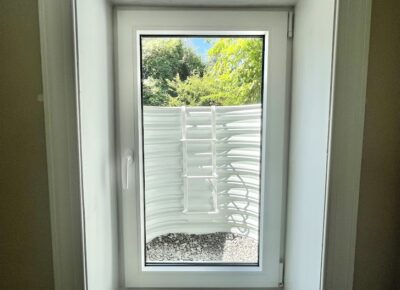
Using your tax refund for home improvements is an ideal way to invest in your property’s safety and value. To effectively plan your budget, start by getting a detailed estimate of the installation costs, which should include the window, labor, and any additional materials for the window well. Once you have a clear idea of the total cost, compare it to the amount of your tax refund to determine how much of the project it can cover.
If your tax refund is sufficient to cover the entire installation, you can proceed with the project knowing that you’re using your refund in a way that will provide both immediate and long-term benefits. If the refund only covers a portion of the costs, you’ll need to consider additional financing options to complete the project.
Other Financing Options
Should your tax refund fall short of the total cost for the egress window installation, there are several financing options to explore. You might consider:
– Savings: If you have savings set aside, you might consider using a portion to fund the remainder of the project.
– Home Improvement Loan: Many lenders offer home improvement loans, which are unsecured personal loans specifically designed for home renovation projects.
– Home Equity Loan or Line of Credit: If you have equity in your home, you might consider a home equity loan or line of credit. These options typically offer lower interest rates than personal loans because they are secured by your home.
– Credit: For smaller gaps in funding, a credit card could be used. Always be mindful of high interest rates, as they may significantly increase the overall cost.
– Government Programs: Some local governments offer home improvement financing programs, especially for projects that improve safety or energy efficiency. Check with your local housing department to see if any programs are available in your area!
Invest in Your Home’s Future with Egress Solutions!
This tax season, make an investment that will enhance your home for years to come! Contact us today for a free quote on your next project!
Remodeling Tips for Creative Basements
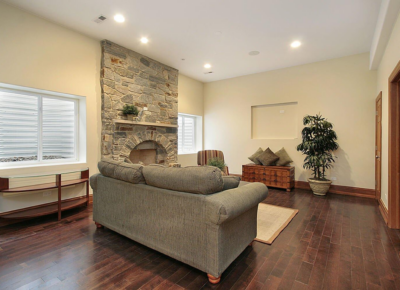
Autumn is officially here, and with a new season comes a new opportunity for remodeling! Having a creative basement can boost a home’s value through its unique style and provide a comfortable living space for homeowners.
The possibilities for finished basement ideas are endless, especially when you consider all the enhancements on the market. Egress windows, in particular, provide a distinctive benefit to any project; their safety-focused design can be combined with personal style for a custom aesthetic.
While the process itself may seem a bit daunting, the best place to begin is by exploring your options. Read on to discover a few helpful tips for a creative basement overhaul – one that’s sure to complement your home’s unique charm.
Another Living Space
Besides providing a valuable place to relax (whether alone or with others), a basement living area can serve as a cozy backdrop for work or play.
By incorporating an appealing design, you can get the most out of your basement functionality for a truly unique experience. If you are someone who frequently has visitors, you can incorporate a welcoming nook as a focal point.
Banquette seating is an excellent way to transform your basement into a gathering space for all occasions. Are you having a few friends over? Is it a family game night once again? Whatever the purpose, a small alcove can make a huge difference in your design.
Home Gym
If you’re someone who prioritizes exercise in your daily routine, why not set up a home gym for a creative basement refresh? In the privacy of your own home, you can work up a sweat your way — no more stress over other gym patrons!
Make the most of your personalized gym by including any equipment (treadmill, bike, dumbbells, etc.) you need; you might even consider separate workout stations to fit your lifestyle, whether you place a focus on meditative yoga or sports fitness.
If your basement flooring also needs a revamp, you can always go with a cheaper solution such as rubber matting. Save money on your renovation costs, all while protecting your gym floor from scratches or related damage.
Home Theater
Skip the lines and overpriced popcorn with a comfortable home theater! Consider adding recliner chairs, low lighting fixtures, and speakers to truly elevate your guests’ experience into a movie paradise!
Want to add additional moviegoing flair to your custom basement? Try including movie posters of your favorite films, ambient floor lighting, or unique wall decor.
Bar Area
If you’re a frequent entertainer, another creative basement idea is to install a bar area! Bar areas make an excellent spot for social gatherings and — most importantly — the lasting memories that come along with them!
Establish the personality of your in-home watering hole by customizing your bar top, seating, lighting, shelving, and displays. Create the ultimate man cave for game days or the perfect spot to celebrate those big moments. Whether you choose a wet or dry bar (i.e. plumbed or non-plumbed), this is one creative basement that’s sure to please!
Kids’ Playroom
Give the kiddos a place to be themselves with a fun basement feature — a customized playroom! This special place will encourage kids to explore, play, and embrace the joys of childhood (all while you get some much-needed me time)!
When choosing a design, always take your children’s preferences and ages into account. For the little ones, think about adding a small slide or built-in storage shelves to house all those runaway toys. For older kids, you can pump up the fun with features such as a rock climbing wall or a cozy reading nook.
You also might want to consider implementing a pop of color here. For example, opt for lighter shades of wall paint and decor. Even better, you can purchase peelable stickers and allow the kids to design a mural!
The Value of Egress Windows
The perfect creative basement needs much more than style alone, however; without a safety element, you might be putting yourself and others at risk in the event of an emergency. Enter egress windows, which provide multiple benefits to your renovated space.
Besides establishing an emergency escape route, you can boost the value of your home with increased natural lighting and ventilation. Egress windows come in many shapes, sizes, and styles, allowing them to perfectly complement any design.
No matter what basement idea you have in mind, an egress window will ensure the safety and functionality of your home — all while leaving room for your unique flair to shine through!
Upgrade your basement today with Egress Solutions!
Enhance your basement for a space that’s both stylish AND safe! Contact us today for a free quote!